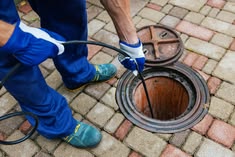
Understanding the top 5 plumbing regulations every homeowner in Delaware should know is crucial for maintaining safety and compliance in your home. These regulations help protect your property and ensure that plumbing systems function correctly. This post covers essential regulations, their importance, and common mistakes homeowners make.
Plumbing regulations are standards that govern the installation, maintenance, and inspection of plumbing systems to ensure safety and health. In Delaware, these regulations are enforced at both state and local levels, affecting every homeowner.
What are plumbing regulations in Delaware?
Delaware plumbing regulations include various laws and codes that dictate how plumbing systems must be installed and maintained. These regulations cover everything from the materials used in plumbing to the procedures for obtaining permits and conducting inspections. Homeowners must be aware of these rules to avoid potential fines and ensure their plumbing systems are safe and functional.
Why are plumbing regulations important?
Compliance with plumbing regulations in Delaware is essential for several reasons. First, these regulations protect public health by ensuring that water supply systems are safe and that wastewater is disposed of properly. Second, adhering to these laws can prevent costly repairs and extensive damage caused by plumbing failures. Lastly, understanding these regulations can help homeowners avoid legal issues that may arise from non-compliance.
1. Permits and inspections
In Delaware, homeowners must obtain the necessary permits before starting any plumbing work. This requirement ensures that all installations meet local building codes and safety standards. Inspections are typically required at various stages of the plumbing project to verify compliance. Failure to obtain the proper permits can result in fines and the need to redo work that does not meet code.
2. Water quality standards
Delaware has strict water quality standards to ensure that the drinking water supply is safe for consumption. Homeowners are responsible for maintaining their plumbing systems to prevent contamination. Regular testing for contaminants, such as lead and bacteria, is recommended. If contamination is detected, immediate action must be taken, including potential water heater repair & installation in Delaware or replacement of plumbing components.
3. Backflow prevention
Backflow prevention is critical in Delaware plumbing regulations to protect the public water supply. Homeowners must install backflow prevention devices to prevent contaminated water from flowing back into the main water supply. Regular testing and maintenance of these devices are required to ensure they function correctly. Failure to comply can lead to severe penalties and health risks.
4. Pipe materials and installation
Delaware plumbing regulations specify acceptable materials for pipes and their installation methods. Common materials include PVC, copper, and PEX, each with specific installation requirements. Homeowners should consult with a residential plumber Delaware to ensure compliance with these regulations and to select the best materials for their plumbing needs.
5. Waste disposal regulations
Proper waste disposal is another essential aspect of plumbing regulations in Delaware. Homeowners must ensure that their plumbing systems are connected to municipal sewer systems or have adequate septic systems. Regular maintenance and inspections of these systems are necessary to prevent environmental contamination and health hazards.
Common mistakes homeowners make
Many homeowners inadvertently violate plumbing regulations due to a lack of knowledge. Common mistakes include:
- Failing to obtain necessary permits before starting work.
- Using non-compliant materials for plumbing installations.
- Neglecting regular inspections and maintenance of plumbing systems.
- Ignoring backflow prevention requirements.
Avoiding these pitfalls can save homeowners time, money, and potential legal issues.
When to call a professional
Homeowners should consult with a professional plumber if they are unsure about plumbing regulations or need assistance with installations and repairs. Delaware Pro Plumbing can provide expert guidance and ensure compliance with all local plumbing laws.
Frequently Asked Questions
What plumbing regulations should I be aware of in Delaware? Homeowners should know about permits, water quality standards, backflow prevention, pipe materials, and waste disposal regulations.
How do plumbing laws affect homeowners in Delaware? Plumbing laws ensure safety, protect public health, and can prevent costly repairs by enforcing compliance with standards.
What are the key plumbing regulations in Delaware? Key regulations include obtaining permits, maintaining water quality, preventing backflow, using compliant materials, and ensuring proper waste disposal.
What should I do if I suspect a plumbing violation? If you suspect a plumbing violation, contact a local plumber to assess the situation and ensure compliance with regulations.
Can I perform plumbing work without a permit? Performing plumbing work without a permit is illegal in Delaware and can result in fines and the need to redo work.