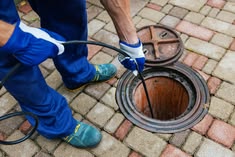
Detecting a water leak in your Bear home is crucial to preventing extensive damage and costly repairs. Early detection can save homeowners thousands of dollars in water damage and mold remediation. This guide covers how to detect a water leak in your Bear home, the signs to look for, and the best methods for identifying leaks.
Water leak detection in Bear is the process of identifying leaks in plumbing systems, roofs, and other areas where water may escape. Understanding how to effectively detect these leaks can help you maintain the integrity of your home.
Signs of water leaks in Bear
Homeowners in Bear should be vigilant for several signs that indicate a water leak. Common indicators include:
- Unexplained increases in your water bill.
- Wet spots on walls, ceilings, or floors.
- Moisture or mold growth in corners or behind appliances.
- Sound of running water when no fixtures are in use.
- Water pooling around the foundation of your home.
Each of these signs can point to home water leak issues in Bear that need immediate attention. Ignoring these signs can lead to more severe problems, including structural damage.
How to find water leaks in your home in Bear
To effectively find water leaks in your home, follow these steps:
- Check your water meter: Turn off all water sources in your home and observe the water meter. If the meter continues to move, you likely have a leak.
- Inspect visible pipes: Look for signs of corrosion, drips, or puddles around pipes, especially in basements and crawl spaces.
- Look for damp spots: Check for water stains on walls and ceilings, which can indicate leaks from above.
- Monitor water pressure: Low water pressure can be a sign of leaks in your plumbing system.
- Use a moisture meter: For a more precise measurement, consider using a moisture meter to identify hidden leaks.
These methods are essential for detecting leaks in Delaware homes, allowing you to address issues before they escalate.
Best leak detection methods for Bear homeowners
Bear homeowners can utilize several effective methods for leak detection:
- Visual inspection: Routinely check your home for visible signs of leaks.
- Acoustic detection: Use specialized equipment to listen for leaks in pipes.
- Thermal imaging: Infrared cameras can identify temperature differences that indicate leaks.
- Electronic leak detection: Advanced technology can pinpoint leaks without invasive methods.
Professional services, such as leak detection & repair in Delaware, can also provide expertise in locating and fixing leaks quickly.
Common mistakes when detecting leaks
Homeowners often make several mistakes when trying to detect water leaks:
- Ignoring small leaks, thinking they are not significant.
- Relying solely on visible signs, rather than checking behind walls and under floors.
- Not keeping records of water bills to track unusual increases.
- Delaying repairs, which can lead to more extensive damage.
A proactive approach is essential to avoid these pitfalls. Regular checks and prompt action can prevent minor issues from becoming major headaches.
When to call a professional
If you suspect a leak but cannot locate it, or if the leak is significant, it's time to call a professional. Delaware Pro Plumbing offers expert services in leak detection & repair in Delaware to address your concerns effectively.
Frequently Asked Questions
What are the signs of a water leak in Bear? Common signs include increased water bills, wet spots on walls, and pooling water around your home.
How can I detect a water leak in my home in Bear? Check your water meter, inspect visible pipes, and monitor water pressure to identify leaks.
What should I do if I suspect a leak in Bear? Investigate visible signs, check your water meter, and consider calling a professional for help.
How much does leak detection cost in Delaware? Typical costs for leak detection services in 2026 range from $150 to $500, depending on the extent of the leak.
Can I fix a leak myself? Minor leaks can be repaired with DIY methods, but significant leaks should be handled by professionals to ensure proper repair.